The Central Bank of Nigeria (CBN) has reported that the country’s external reserve has risen to $40.2 billion, as of last week, reflecting a substantial increase from the previous year’s reserve of less than $34 billion.
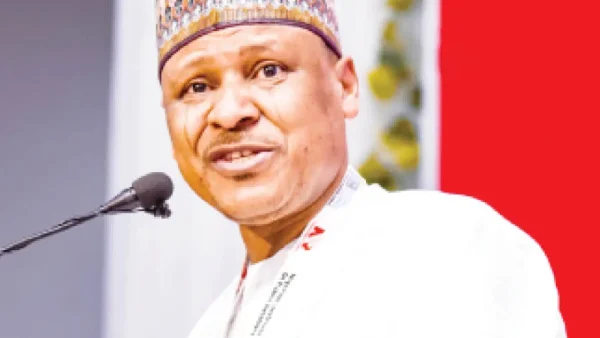
CBN Deputy Governor for Economic Policy, Muhammad Sani Abdullahi, made the announcement during the International Monetary Fund (IMF) and World Bank Annual Meetings in Washington, D.C. He disclosed that the CBN is aiming for a $1 billion monthly inflow as the bank’s policies begin to show results.
“In terms of external reserves, we’ve seen significant growth. We are building buffers to cover up to 15 months of imports for goods and services,” Abdullahi said, emphasizing ongoing efforts to improve Nigeria’s export processes by removing obstacles at every stage. He added that the country is working to recover from last year’s decline in exports, which dropped to over $3 billion from $10.4 billion in 2019.
Abdullahi also highlighted progress in diaspora remittances, with inflows rising from $350 million per month last year to $600 million now, aiming to reach $1 billion.
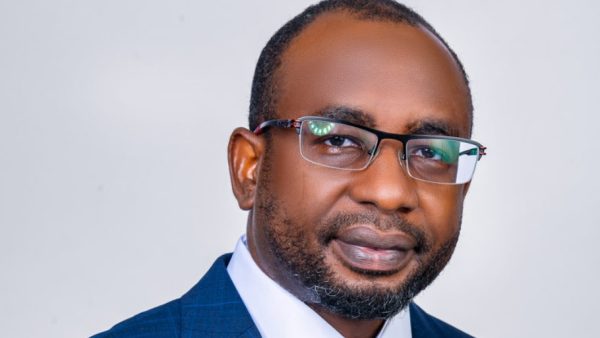
Minister of Finance Wale Edun added that the government is committed to market-driven petrol pricing, noting that removing subsidies, which accounted for 5% of Nigeria’s GDP, will redirect funds toward economic development.
Edun acknowledged the challenges posed by the lingering foreign exchange subsidy but expressed optimism that the Nigerian National Petroleum Corporation (NNPC) is making strides in paying down its debt. He also mentioned the value of Nigeria’s engagement with the IMF and World Bank while emphasizing that the country retains control over its economic decisions.