There was widespread excitement on Monday as the Warri Refining and Petrochemical Company (WRPC) resumed partial operations after nearly a decade of inactivity.
The Nigerian National Petroleum Company Limited (NNPCL) confirmed that the 125,000-barrel-per-day refinery is now functioning at 60% capacity. The facility, which had been dormant since 2015 due to prolonged repairs, successfully began refining operations last Saturday at its Area 1 plant, where crude oil was pumped into the system.
This milestone comes a month after the Port Harcourt Refinery, with a total refining capacity of 210,000 barrels per day, also restarted operations.
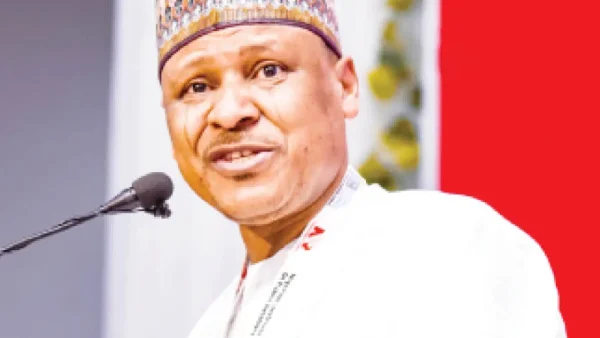
During a facility tour on Monday, NNPCL Group Chief Executive Officer, Mele Kyari, officially announced the Warri Refinery’s resumption. Addressing the tour team, which included Farouk Ahmed, CEO of the Nigerian Midstream and Downstream Petroleum Regulatory Authority, Kyari expressed confidence in the progress made.
In a video shared by Channels TV, Kyari said, “This plant is running. Although it is not 100% complete, operations have commenced. Many people believe these things are not real, but we want to show Nigerians that it is indeed real and achievable.”
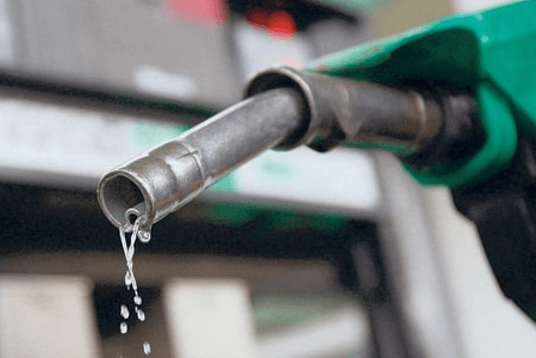
With Warri Refinery now operational, Nigeria’s refining capacity has received a significant boost. This development, combined with the 650,000-barrel-per-day Dangote Refinery and the Port Harcourt Refinery, has led industry stakeholders to anticipate a reduction in the cost of premium motor spirit (PMS).
Energy marketers welcomed the Warri Refinery’s revival, noting that it will foster competition, diversify supply, and potentially reduce petrol prices.
Clem Isong, Executive Secretary of the Major Energy Marketers’ Association of Nigeria (MEMAN), highlighted the refinery’s strategic importance. “Warri Refinery is the shortest route to the North, and its revival is good news. A competitive market ensures that consumers get the best prices,” he said.
The Independent Petroleum Marketers Association of Nigeria (IPMAN) also shared this optimism. Its National Public Relations Officer, Alhaji Olanrewaju Okanlawon, remarked, “Excess supply will drive prices down. With a free market governed by demand and supply, we will see a positive impact on pricing and reduced congestion in Lagos.”
Energy expert Dr. Ayodele Oni noted that Warri Refinery’s resumption would significantly enhance local refining capacity. “This allows Nigeria to refine more products locally and even sell to neighbouring countries. It adds value to our resources and positions the country for economic growth,” he explained.
With the Warri Refinery’s revival, Nigeria is taking a critical step toward self-sufficiency in refining and a more competitive downstream petroleum sector.