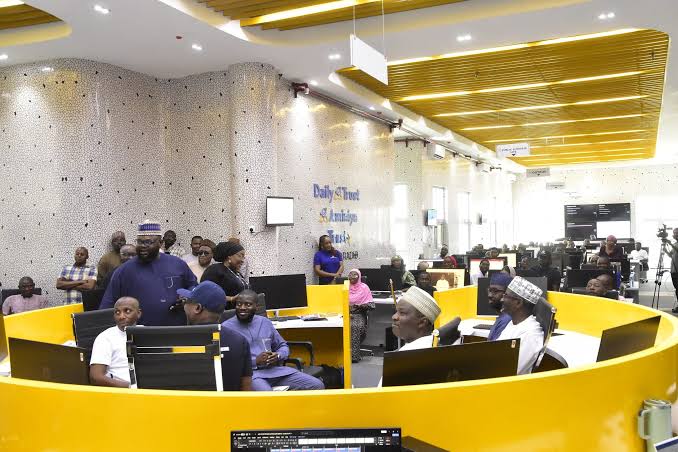
Media Trust Group has launched a converged newsroom that integrates its print, television, radio and digital platforms, relying on technology, collaboration and audience data to strengthen journalism and build closer relationships with readers, viewers and listeners.
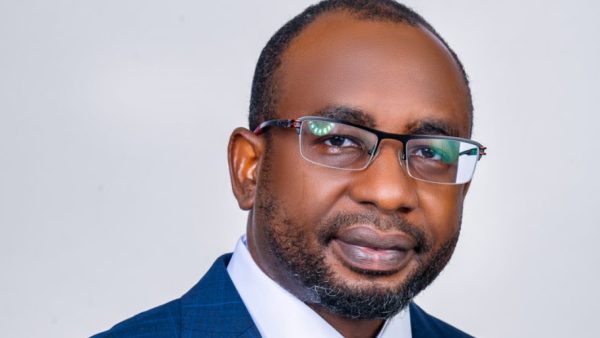
The Group Editorial Director of Media Trust Group, Mallam Ibrahim Shehu, said the new newsroom would enable journalists and editors across the organisation’s platforms to work together, improve reporting and deliver verified stories in formats suited to different audiences.
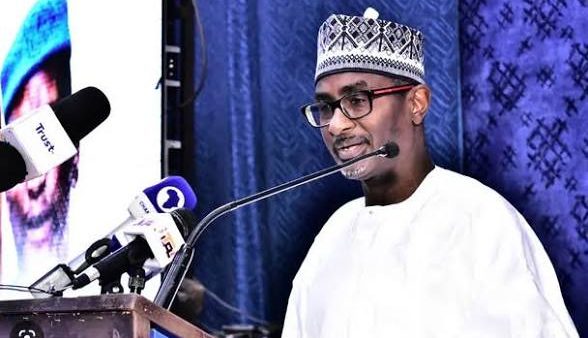
Speaking at the launch ceremony in Abuja on Thursday, Shehu described the initiative as a major shift in how the media organisation gathers, processes and distributes news.
“This newsroom is one newsroom, many platforms,” he said.
The digital newsroom brings together the editorial operations of Daily Trust, Weekend Trust, Aminiya, Teen Trust, Trust TV, Trust Radio and Digital Trust under a unified system designed to promote collaboration and speed up news delivery.
Shehu said the arrangement would end the isolation that often separates newsrooms operating across different media platforms, allowing journalists to develop stories collectively and adapt them to the needs of different audiences.
“When something happens in Maiduguri, Kano, Lagos, Abuja or anywhere else, our journalists will no longer work in isolation and our platforms will no longer wait on one another,” he said.
He stated that a single investigation could generate a detailed newspaper report, a television documentary, a radio discussion, a podcast, a digital explainer and a data visualisation.
“Not the same content repeated everywhere, but the same truth told in the form each audience prefers,” Shehu said.
The Group Editorial Director said the organisation had deployed an artificial intelligence-enabled content management system to support the newsroom’s operations and make collaboration possible in real time.
Under the arrangement, reporters can file stories from the field or from home, while editors, television producers, radio presenters and digital journalists can access the material simultaneously and prepare it for publication across platforms.
Shehu said the system would help journalists work faster, strengthen verification and fact-checking, and give editors access to real-time audience analytics showing what people read, watch and listen to, as well as where they consume the content.
He, stressed that the technology would support rather than replace journalists, adding that editorial responsibility would remain with reporters and editors.
“This system does not replace a single journalist. It removes the wall between them,” he said.
He added that the organisation would prioritise accuracy, credibility and editorial independence as it adopts emerging technologies and new methods of news production.
“Our standard is clear. Speed without sacrificing accuracy, innovation without sacrificing credibility, and audience engagement without sacrificing editorial independence,” Shehu said.
The newsroom also seeks to deepen audience engagement by helping editors understand how people interact with news content and what encourages them to return to the organisation’s platforms.
Shehu said the organisation wanted to move beyond measuring success by the volume of content produced and instead use audience insights to improve its journalism and strengthen its relationship with the public.
“For too long, media organizations have measured success by how much they produce. This newsroom lets us ask better questions. What are people reading, watching and listening to? Where do they stop? What brings them back?” he said.
He added that audience data would inform editorial decisions without dictating the stories journalists pursue.
“These insights will not dictate the reports, but they will help us serve our audiences better,” he said.
The initiative also places emphasis on bilingual journalism, with English- and Hausa-language teams expected to work together from the beginning of the reporting process.
Shehu said the approach reflected Nigeria’s linguistic diversity and the need to make credible journalism accessible to audiences in the languages they use daily.
“Now in one newsroom, English and Hausa stand side by side. In this newsroom, Hausa is not an afterthought and English is not the only default,” he said.
He said the organisation would develop and report stories in both languages to ensure that audiences in different parts of the country receive accurate, contextual reporting in a language they understand and identify with.
’One Truth, Many Platforms’, Media Trust Deepens Newsroom Collaboration