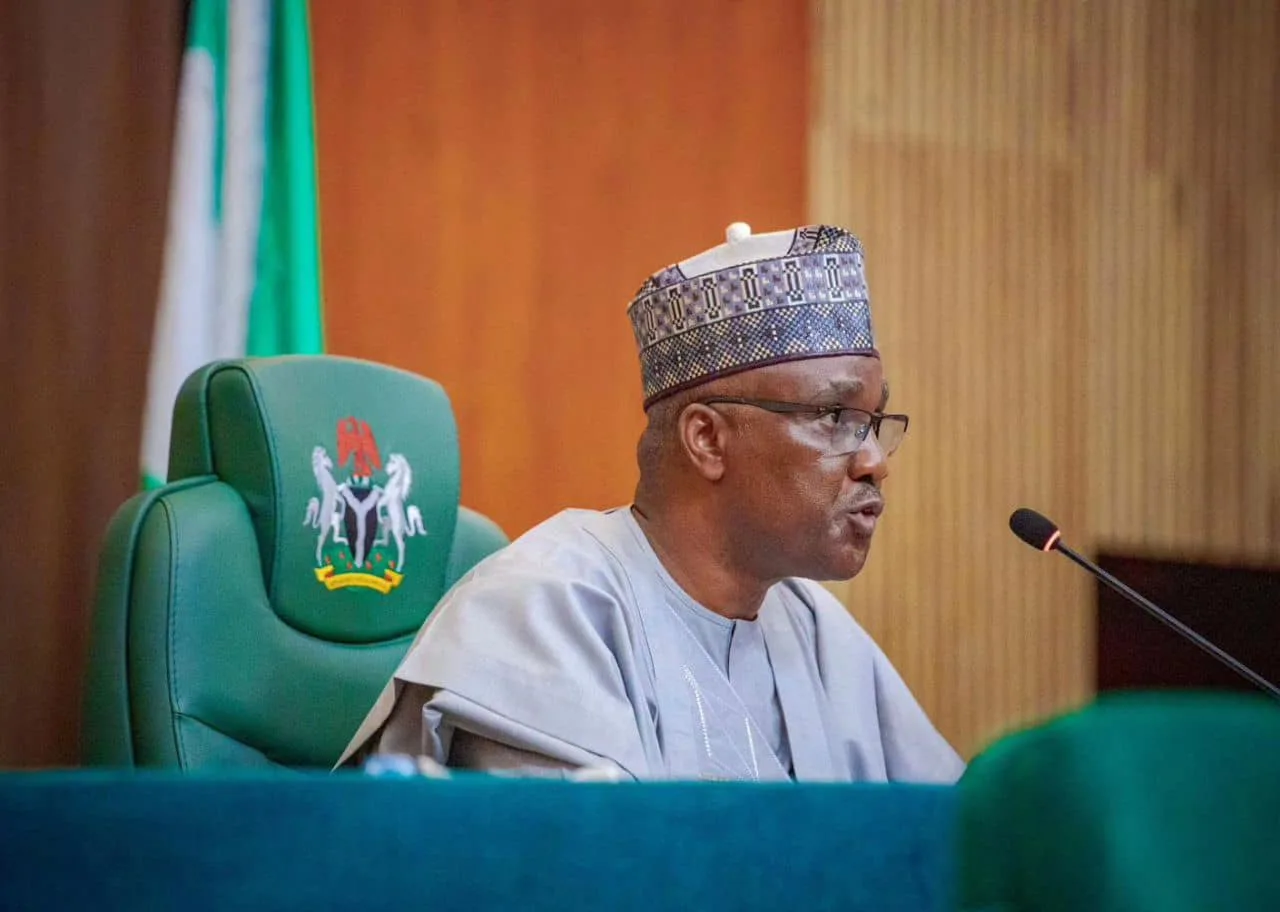
The Speaker of the House of Representatives, Abbas Tajudeen, has clarified that the House has not yet taken an official position on the proposed Tax Reform Bills under review.
In his opening remarks at an interactive session on the Tax Reform Bills at the National Assembly on Monday, Abbas stated that while no decision has been made, the House is committed to thoroughly scrutinizing the bills and making necessary amendments. The bills under consideration include the Nigeria Tax Bill, Nigeria Tax Administration Bill, Nigeria Revenue Service Establishment Bill, and Joint Revenue Board Establishment Bill.
These proposals, submitted by the Presidency last month, faced calls for withdrawal by the National Executive Council (NEC) due to controversies. However, President Bola Tinubu pushed for continued discussions, urging stakeholders to present their concerns during the public hearing.
Abbas noted that the session aims to foster understanding and dialogue on contentious areas of the bills, enabling members to raise observations and suggestions. “This interaction will help us identify parts that need amendments and ensure the bills align with the interests of the executive, legislature, and Nigerian citizens,” he said. He stressed the importance of tax reforms for sustainable economic growth, highlighting Nigeria’s low tax-to-GDP ratio of 6 percent, far below the global average and World Bank’s benchmark of 15 percent.
“Tax reforms are crucial for fiscal stability and reducing our reliance on debt financing,” Abbas remarked. He emphasized the need for a balanced approach, considering the financial impact on different segments of society.
Chairman of the Presidential Fiscal Policy and Tax Reforms Committee, Taiwo Oyedele, raised concerns over Nigeria’s economic situation, including soaring inflation and high public debt. He noted that in 2020, 97 percent of Nigeria’s revenue was used for debt servicing. Oyedele also pointed out the naira’s significant depreciation over the past decade compared to the Kenyan shilling and South African rand, attributing this to stronger policy reforms in those countries. He stressed the need for more effective budgetary measures to address these challenges.