Nigeria’s economy has expanded to ₦372.82 trillion after the National Bureau of Statistics (NBS) updated its GDP base year from 2010 to 2019. This rebasing, which reflects current prices and activities, raised the country’s GDP by over 41%.
The Statistician-General, Prince Adeyemi Adeniran, said the exercise better captures sectors like digital services, informal trade, and real estate. Real estate is now the third-largest contributor to GDP, ahead of oil and gas.
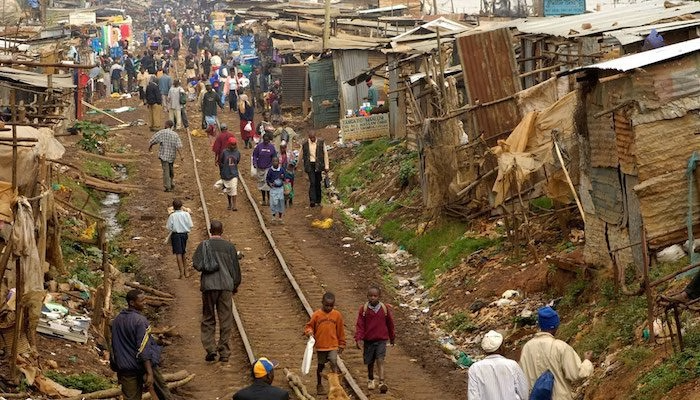
Despite this increase, millions remain in poverty. The World Bank warns that Nigeria’s poverty rate could rise by 3.6% between 2022 and 2027. Already, 133 million Nigerians are living in multidimensional poverty.
Experts say the larger GDP figure doesn’t mean improved living standards. Rising inflation, high costs of living, and a weak naira continue to squeeze households.
“The numbers are up, but people are not better off,” said economist Dr. Marcel Okeke. “Growth is one thing, but real development is about people’s lives improving — and that’s not happening.”