First Lady, Senator Oluremi Tinubu, has expressed concern over the ongoing challenges Nigerian women face in securing their place in politics and governance due to entrenched policies that hinder their progress.
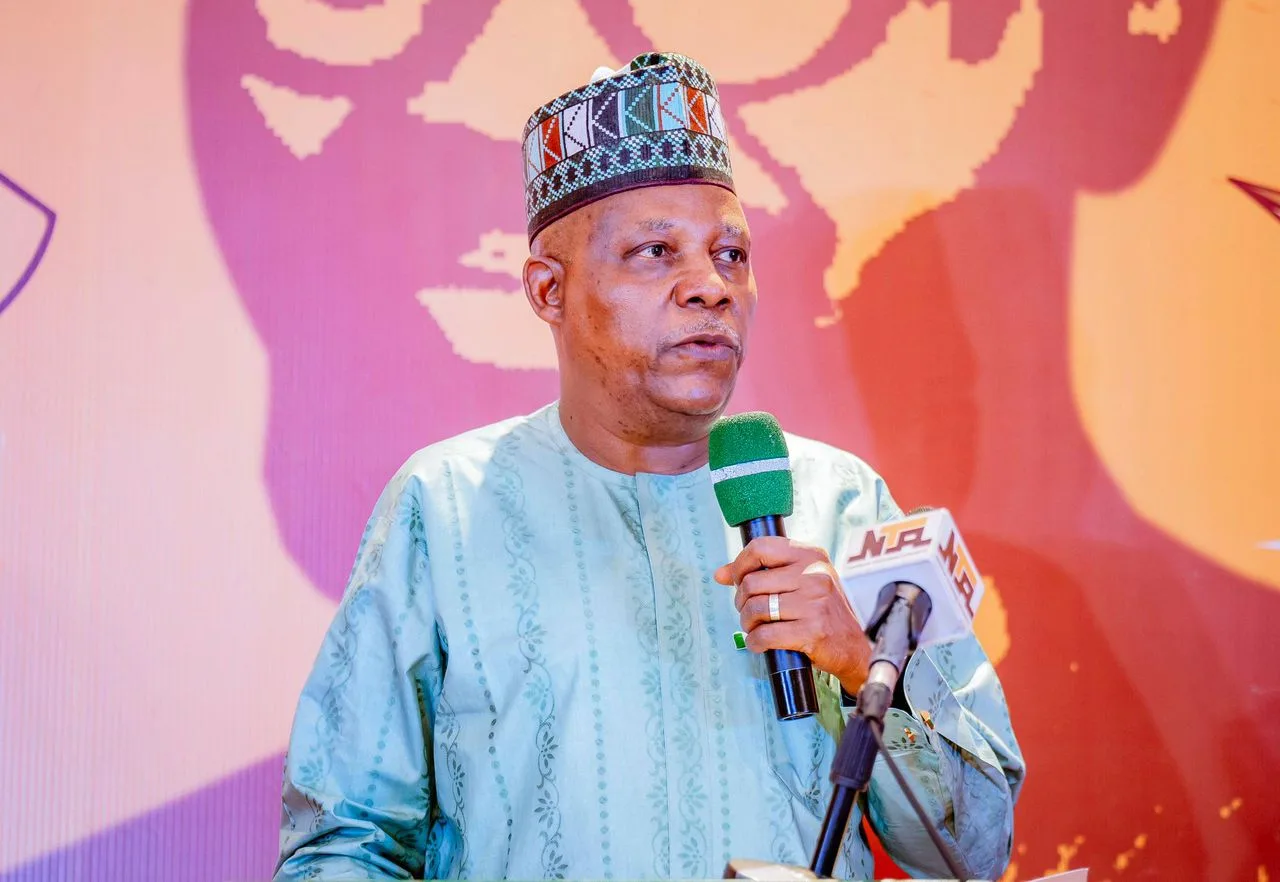
Speaking at the ‘International Legislative Dialogue on Women and Constitution Amendment in Nigeria’ held in Abuja on Monday, Mrs. Tinubu, represented by Kwara State First Lady and Chairperson of the Nigeria Governors Spouses Forum, Prof. Olufolake Abdulrazaq, highlighted that despite some progress, there remains a glaring underrepresentation of women in the country’s political sphere, particularly in the National Assembly.
She pointed out that although women play a crucial role in the electoral process, their participation in governance continues to be restricted, leaving them with limited opportunities for equal involvement in decision-making roles.
According to the First Lady, the pace of progress in creating sustainable systems that accelerate women’s participation has been sluggish. She emphasized the need for more comprehensive policies that support the girl child, as well as educated and capable women leaders across the country.
Mrs. Tinubu also called attention to socio-cultural barriers that prevent national development by excluding women. She stressed the importance of implementing gender-responsive policies and legislation aimed at fostering greater female participation and launching affirmative action initiatives.
During his opening remarks, Deputy Speaker and Chairman of the House Committee on Constitution Amendment, Benjamin Okezie Kalu, underscored the urgency of addressing the factors limiting women’s political involvement. He cited data from the 2023 general elections, which revealed that out of the 15,307 candidates fielded by 18 political parties, only 1,552 were women.
“This disparity is not just a number; it reflects the societal, structural, and political hurdles that continue to prevent women from fully participating in our democracy,” Kalu noted.
He added that inclusive governance is not merely about fairness but a strategic necessity, with countries that successfully include women in leadership roles experiencing notable advances in innovation, cross-sector collaboration, and economic growth.